LivePolitics
Trump's Pardons for January 6 Rioters Spark Bipartisan Outrage
President Trump defends his pardons for January 6 rioters, igniting bipartisan controversy and raising concerns over legal implications and American democracy.
OpenWireNews• Jan 23, 2026 • 2:39 PM•2 min read
NEWS
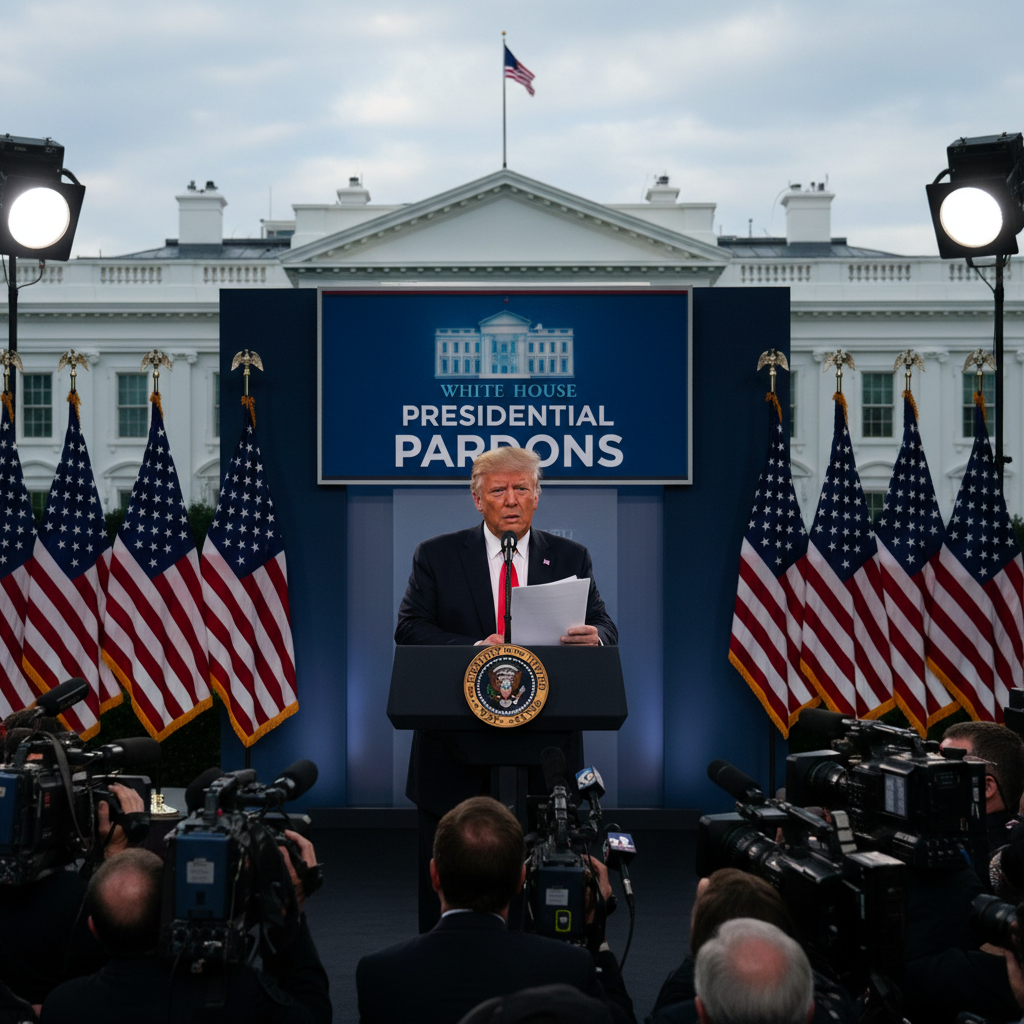
In a recent press conference, President Donald Trump addressed the controversial pardons granted to individuals convicted in the January 6 Capitol riot. Among those pardoned were leaders of the Proud Boys and Oath Keepers, groups implicated in the violent events that unfolded at the Capitol. Trump characterized the sentences of these individuals as "ridiculous and excessive," asserting that they had been treated unfairly by the justice system.
The pardons have elicited strong reactions across the political spectrum. Republican senators and Vice President JD Vance have expressed concerns, stating that violent offenders should not receive clemency. Vance emphasized the importance of upholding the rule of law and maintaining public trust in the justice system. Conversely, Trump supporters have lauded the pardons, viewing them as a rectification of perceived injustices.
Legal experts have weighed in on the potential implications of these pardons. Some argue that such actions could undermine the deterrent effect of legal consequences for violent behavior, potentially emboldening future acts of political violence. Others suggest that the pardons may set a precedent for future administrations to exercise clemency in politically charged cases.
The pardons also raise questions about the balance of power between the executive and judicial branches. Critics argue that the president's actions may encroach upon the judiciary's role in determining appropriate sentences, potentially disrupting the separation of powers.
For everyday Americans, these developments may erode confidence in the impartiality of the justice system. The perception that political considerations can influence legal outcomes could lead to increased skepticism about the fairness of legal proceedings.
In response to the pardons, several advocacy groups have called for legislative action to prevent similar occurrences in the future. They advocate for clearer guidelines on the use of executive clemency, particularly in cases involving political violence.
The pardons also have international ramifications. Allies and adversaries alike are observing the United States' handling of domestic political unrest, which could influence diplomatic relations and perceptions of American democracy.
In conclusion, President Trump's pardons for January 6 rioters have ignited a complex debate over justice, executive authority, and the integrity of democratic institutions. The ongoing discourse reflects deep divisions within the country and underscores the challenges of reconciling political actions with legal principles.
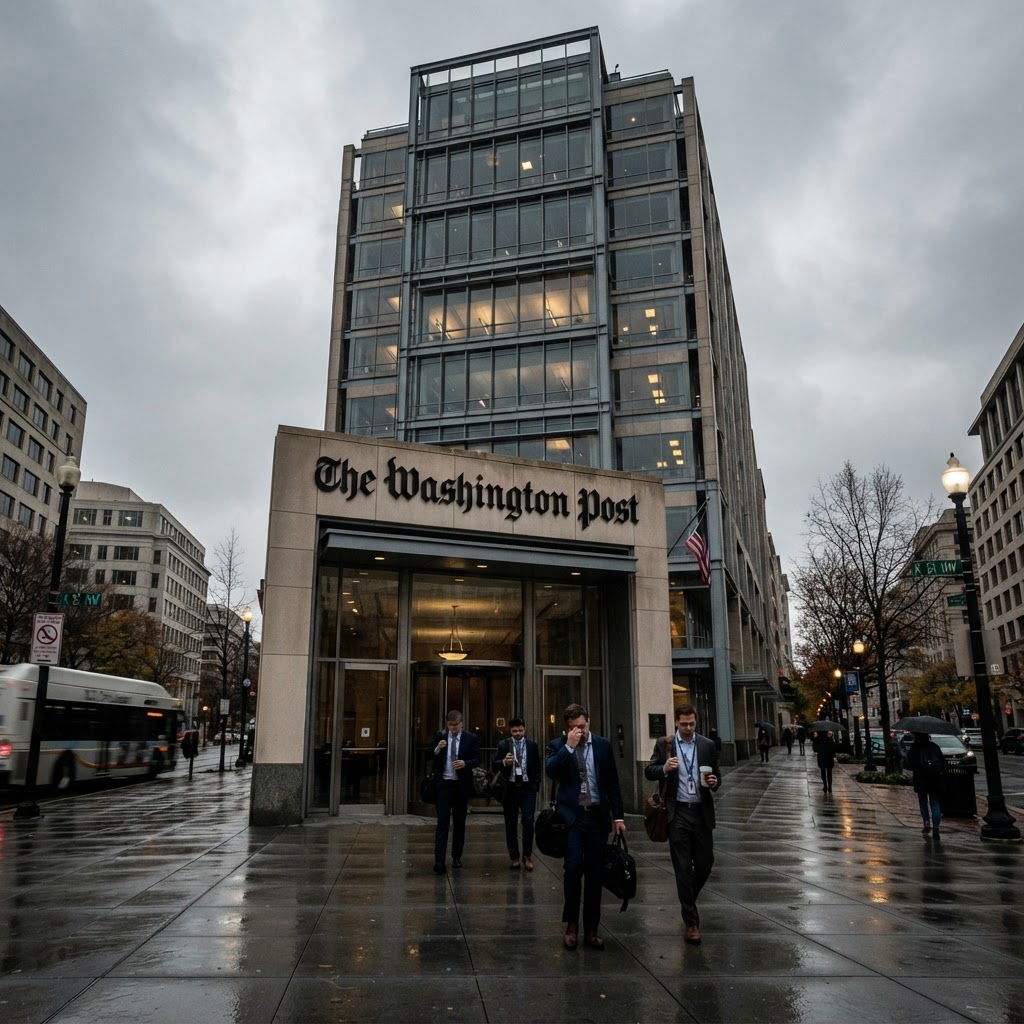
Source: The Washington Post
Reactions
Share:
Trump pardons January 6 riotersCapitol riot pardonsProud Boys leadershipOath Keepers pardonsexecutive clemency controversiesbipartisan criticism of TrumpJanuary 6 Capitol riot newspolitical violence in Americalegal implications of pardonsTrump executive authorityseparation of powers in politicsimpact on American democracypolitical divisions over pardonsjustice system and pardonsadvocacy groups responsepolitical unrest in 2023international ramifications of Trump’s actionspublic trust in political leaderslatest political newscurrent events January 2023breaking news Trump pardonstrending political topicsJanuary 6 legal proceedingsCapitol riot political falloutAmerican politics news