LivePolitics
Justice Department Subpoenas Wall Street Journal Amid Escalating Media Leak Investigations Under President Trump
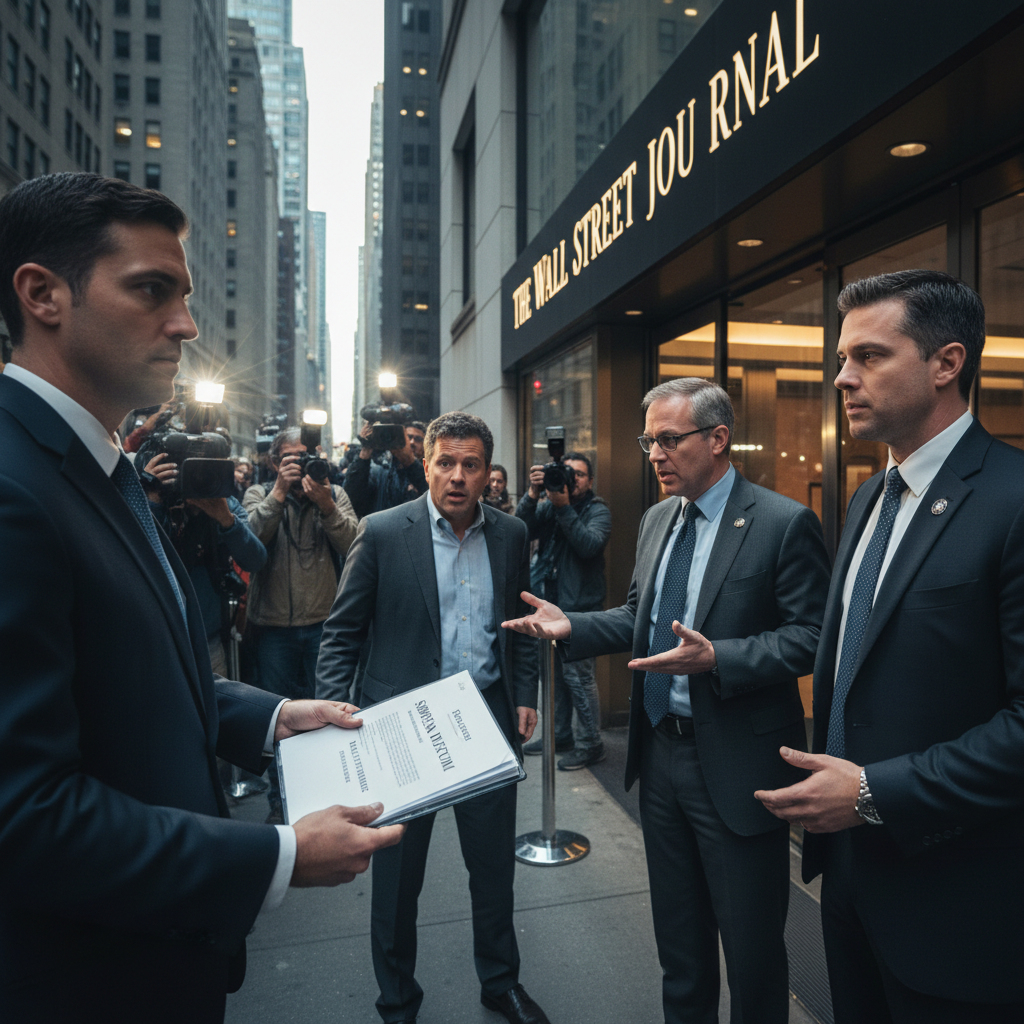
The Justice Department has issued subpoenas to the Wall Street Journal, intensifying its efforts to investigate media leaks concerning the conflict in Iran. This move reflects the Trump administration's aggressive stance on media transparency and national security.
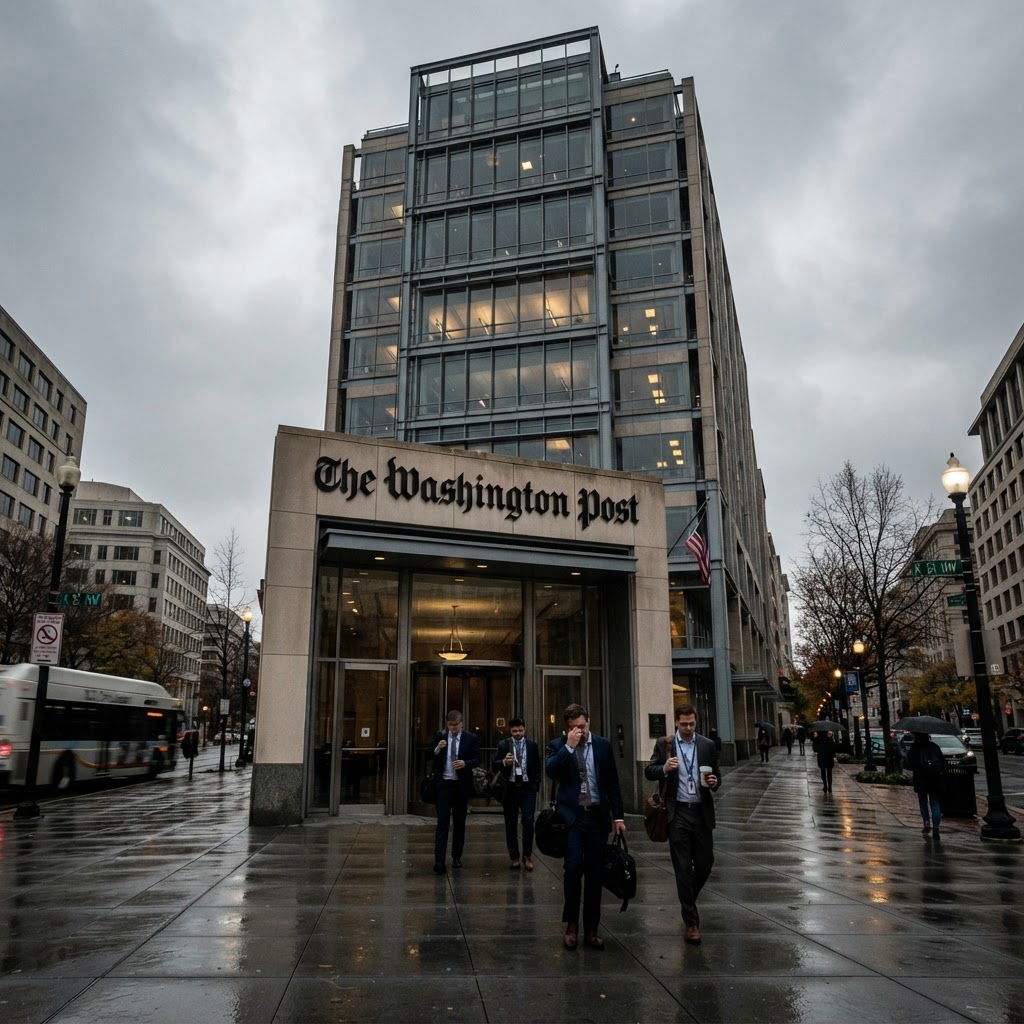
The Washington Post• May 13, 2026 • 2:11 PM•2 min read
NEWS
In a significant escalation of its crackdown on media leaks, the Justice Department under President Donald Trump has subpoenaed the Wall Street Journal for information related to its coverage of the ongoing conflict in Iran. This action underscores the administration's commitment to addressing national security concerns and controlling the narrative surrounding its foreign policy decisions.
Background of the Subpoena
The Wall Street Journal has been at the forefront of reporting on the complexities of the Iran conflict, providing in-depth analyses and exclusive insights. The Justice Department's subpoena seeks to uncover the sources behind these reports, aiming to identify and prevent unauthorized disclosures of sensitive information. This move is part of a broader strategy by the Trump administration to hold media outlets accountable for publishing information deemed detrimental to national security.
Implications for Press Freedom
The subpoena has raised concerns among journalists and First Amendment advocates about the potential chilling effect on press freedom. Critics argue that such aggressive tactics could deter whistleblowers and sources from coming forward, thereby hindering investigative journalism. The balance between national security interests and the public's right to know remains a contentious issue in this context.
Administration's Perspective
President Trump and Attorney General Todd Blanche have defended the subpoena, emphasizing the necessity of safeguarding classified information. They argue that unauthorized leaks pose significant risks to national security and diplomatic relations. The administration maintains that its actions are in line with legal precedents and are essential for maintaining the integrity of U.S. foreign policy.
Reactions from the Media and Public
Media organizations, including the Wall Street Journal, have expressed strong opposition to the subpoena, citing concerns over journalistic independence and the potential for government overreach. Public opinion is divided, with some supporting the administration's efforts to protect national security and others viewing the move as an infringement on constitutional rights.
Conclusion
The Justice Department's subpoena of the Wall Street Journal marks a pivotal moment in the Trump administration's approach to media relations and national security. As the situation develops, it will likely continue to spark debates over the boundaries between government authority and press freedom.
SEO Keywords: Justice Department, Wall Street Journal, media leaks, Iran conflict, President Donald Trump, Attorney General Todd Blanche, national security, press freedom, First Amendment, unauthorized disclosures, investigative journalism, classified information, government overreach, public opinion, constitutional rights, U.S. foreign policy, media relations, government authority, press independence, legal precedents, whistleblowers, diplomatic relations, public debate, media organizations, government actions.
Category: Politics
Source: The Washington Post
Reactions
Share:
Justice DepartmentWall Street Journalmedia leaksIran conflictPresident Donald TrumpAttorney General Todd Blanchenational securitypress freedomFirst Amendmentunauthorized disclosuresinvestigative journalismclassified informationgovernment overreachpublic opinionconstitutional rightsU.S. foreign policymedia relationsgovernment authoritypress independencelegal precedentswhistleblowersdiplomatic relationspublic debatemedia organizationsgovernment actions