LiveWorld
US and Venezuela Agree to Restore Diplomatic Ties in Historic Shift
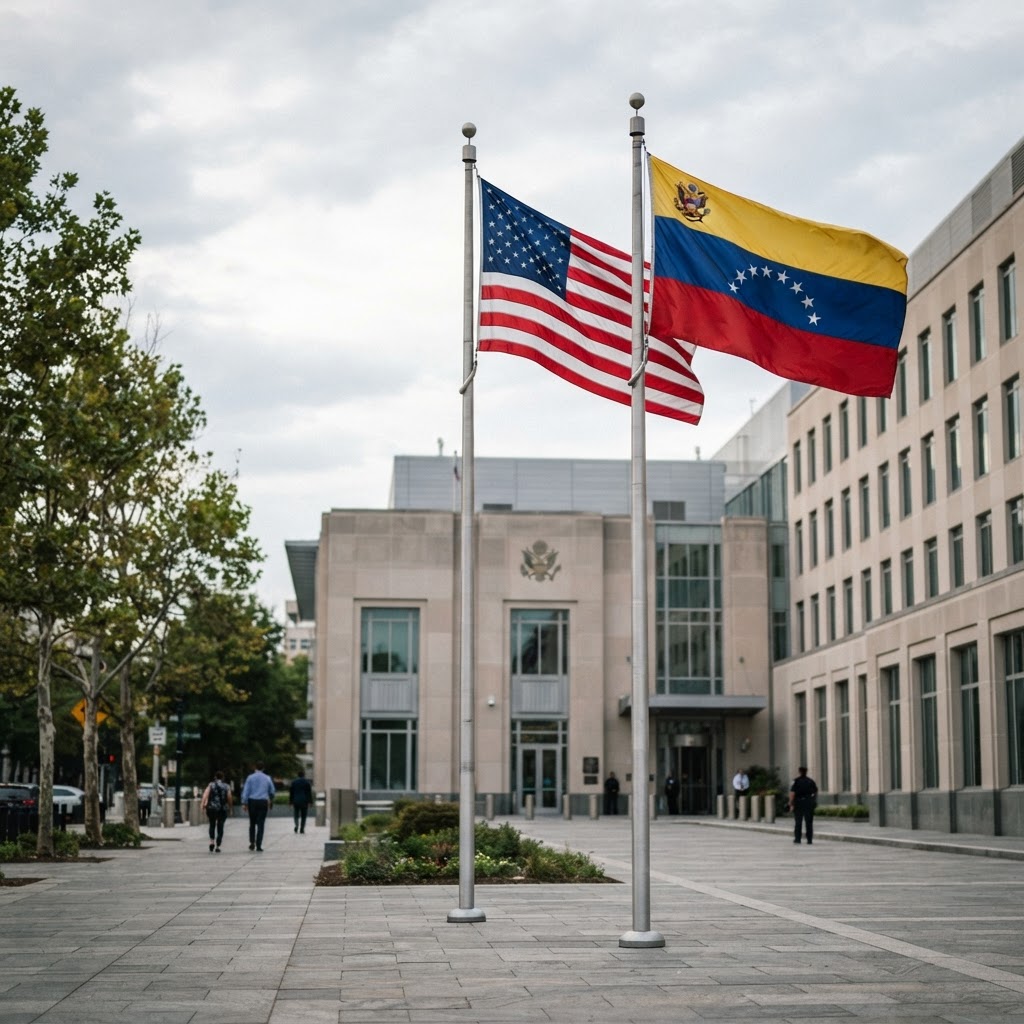
The United States and Venezuela have reached a landmark agreement to reestablish formal diplomatic relations, marking a significant pivot in their long-standing adversarial history. The move follows months of intense back-channel negotiations aimed at stabilizing regional security and addressing humanitarian concerns. Both nations are expected to exchange ambassadors in the coming weeks, signaling a new chapter in Western Hemisphere diplomacy.
https://apnews.com/article/venezuela-united-states-diplomatic-relations-trump-e25403c31cce29742fd95f7ffe3bbe09• Oct 7, 2026 • 6:44 AM•2 min read
NEWS
In a move that has sent shockwaves through the international community, the United States and Venezuela have officially agreed to restore diplomatic relations, ending years of isolation and hostility. The announcement, confirmed by the U.S. State Department, represents a dramatic reversal of the policies that have defined the relationship since 2019. This rapprochement comes after a period of extreme volatility, including military tensions and economic sanctions that crippled the Venezuelan economy. The decision to reopen embassies in Caracas and Washington is being viewed as a strategic necessity for both administrations as they seek to address regional migration, energy security, and the influence of external actors in Latin America. Analysts suggest that the shift was facilitated by quiet, high-level talks that prioritized pragmatic cooperation over ideological confrontation. For the Biden administration, the move is seen as a way to regain leverage in a region where influence has been contested by global rivals. Meanwhile, the Venezuelan government, facing internal pressure and economic stagnation, appears to be seeking a path toward international legitimacy and the lifting of restrictive trade measures. The process of normalizing ties will be gradual, with both sides emphasizing the need for transparency and mutual respect. However, the path forward remains fraught with challenges, as domestic critics in both countries have already begun to voice their opposition to the deal. The restoration of diplomatic channels is expected to facilitate better communication on critical issues such as drug trafficking, regional stability, and the protection of citizens abroad. As the world watches, the success of this diplomatic experiment will likely depend on the ability of both governments to adhere to the terms of the agreement while navigating the complex political landscapes of their respective nations. This development is a testament to the enduring power of diplomacy, even in the most entrenched conflicts, and serves as a reminder of the shifting alliances in modern global politics.
Reactions
Share:
VenezuelaUS newsworld newsinternational newsglobal newsbreaking world newsworld eventsdiplomatic newsBBC newsUS-Venezuela relationsLatin America politicsforeign policydiplomacyState DepartmentCaracasWashingtongeopoliticsinternational relationssanctionsregional stability