Crime
Legionnaires' Disease Outbreak Claims Fourth Death in New York City
A deadly Legionnaires' disease outbreak in New York City has claimed its fourth victim as health officials struggle to contain the spread. With 76 confirmed cases and seven people hospitalized, the cluster centered on the city's Upper East Side has residents on edge.
CNN / NBC News• Jul 22, 2026 • 2:07 PM•3 min read
NEWS
A worsening outbreak of Legionnaires' disease in New York City has claimed its fourth victim, health officials confirmed, as the cluster of infections centered on the Upper East Side continues to grow. With 76 confirmed cases and seven people still hospitalized, the outbreak represents one of the most significant public health crises the city has faced this year.
Fourth Death Confirmed
The fourth fatality was confirmed by the New York City Department of Health and Mental Hygiene, which has been working to identify the source of the Legionella bacteria responsible for the outbreak. The victims have ranged in age from their 40s to their 80s, with those suffering from underlying health conditions particularly vulnerable to the severe form of pneumonia caused by the bacteria.
"This is a serious situation, and we are doing everything in our power to identify and eliminate the source," said a Health Department spokesperson. "We urge anyone experiencing symptoms to seek medical attention immediately."
Symptoms and Spread
Legionnaires' disease is caused by the Legionella bacteria, which thrives in warm water environments such as cooling towers, hot water tanks, and large plumbing systems. The disease is not spread person-to-person but rather through inhalation of contaminated water droplets or mist.
Symptoms include fever, chills, muscle aches, and cough. In severe cases, the disease can cause pneumonia, respiratory failure, and death. Those at highest risk include adults over 50, smokers, and individuals with weakened immune systems or chronic lung conditions.
Investigation Focuses on Cooling Towers
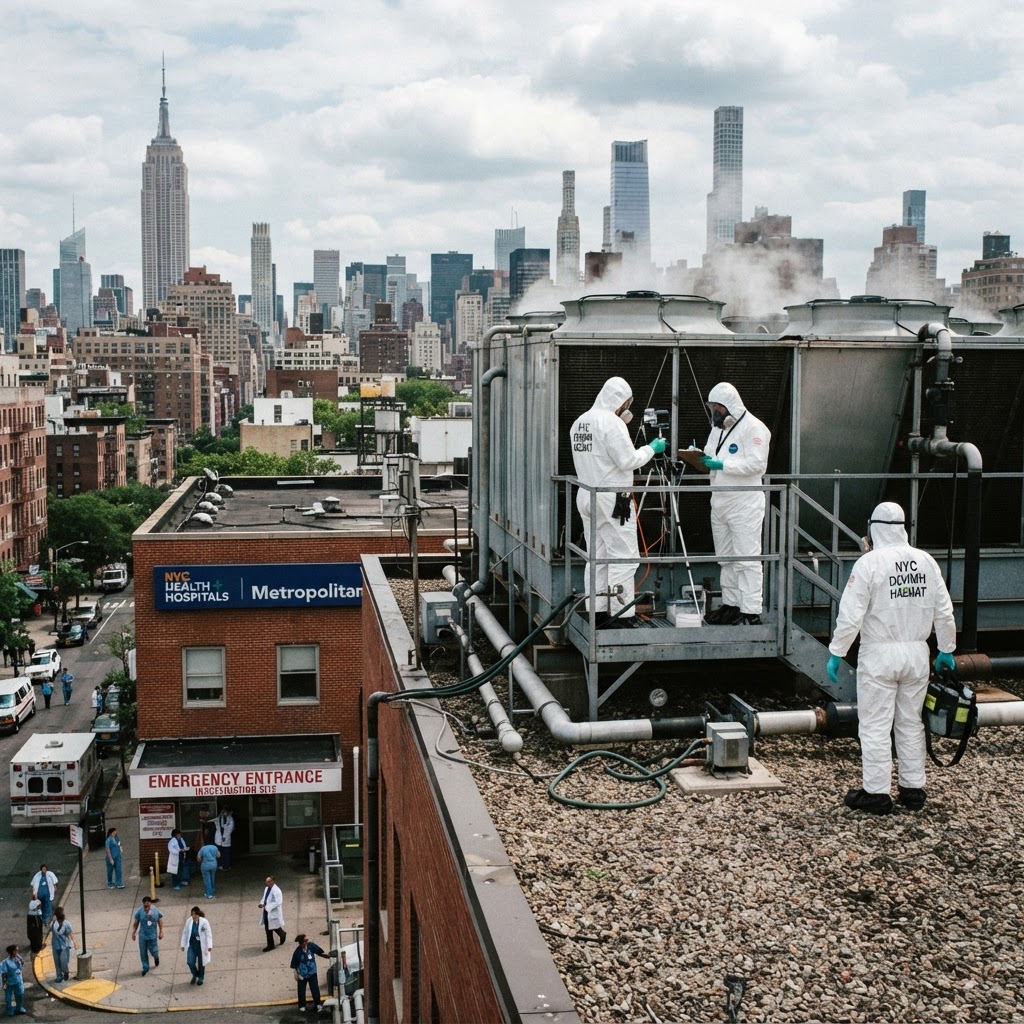
Health investigators have been testing cooling towers throughout the Upper East Side neighborhood, where the majority of cases have been clustered. Cooling towers — commonly found on top of large buildings for air conditioning — are a frequent source of Legionella outbreaks when not properly maintained.
The city has ordered building owners in the affected area to disinfect their cooling systems as a precautionary measure. Several towers have tested positive for Legionella and have been ordered to undergo emergency remediation.
Echoes of Past Outbreaks
This is not the first time New York City has faced a deadly Legionnaires' outbreak. In August 2025, an outbreak in the Harlem neighborhood killed seven people and sickened more than 100. That outbreak was eventually traced to a contaminated cooling tower on a residential building.
The current Upper East Side cluster has drawn comparisons to the Harlem outbreak, with health advocates calling for stricter regulations on cooling tower maintenance and more frequent testing.
City Response and Precautions
Mayor's office officials have established a hotline for residents and deployed mobile testing units throughout the affected area. The Health Department has also distributed informational flyers and sent alerts through the city's emergency notification system.
Residents are advised to seek immediate medical attention if they experience symptoms consistent with Legionnaires' disease, particularly if they live or work in the Upper East Side area. Early treatment with antibiotics can significantly improve outcomes.
As the investigation continues, the city remains on high alert. With summer temperatures providing ideal conditions for bacterial growth, health officials warn that additional cases may emerge before the outbreak is fully contained.
Reactions
Share:
Legionnaires diseaseNew York Cityoutbreakpublic healthUpper East SideLegionella bacteriafourth deathhealth crisiswater cooling towersNYC Health Departmentinfectious diseaseepidemicbacterial infectionpneumoniahealth emergencydisease outbreakpublic safetymedical emergencycontaminationwaterborne illness