Sports
FIFA and Global Betting Watchdog Clash Over Potential Irregularities at 2026 World Cup
FIFA and a global sports betting advisory body are at odds over potential betting irregularities flagged during the 2026 World Cup. While the irregularities don't necessarily indicate match manipulation, the disagreement highlights growing tensions in sports integrity monitoring.
The Athletic / New York Times• Jul 24, 2026 • 2:07 PM•4 min read
NEWS
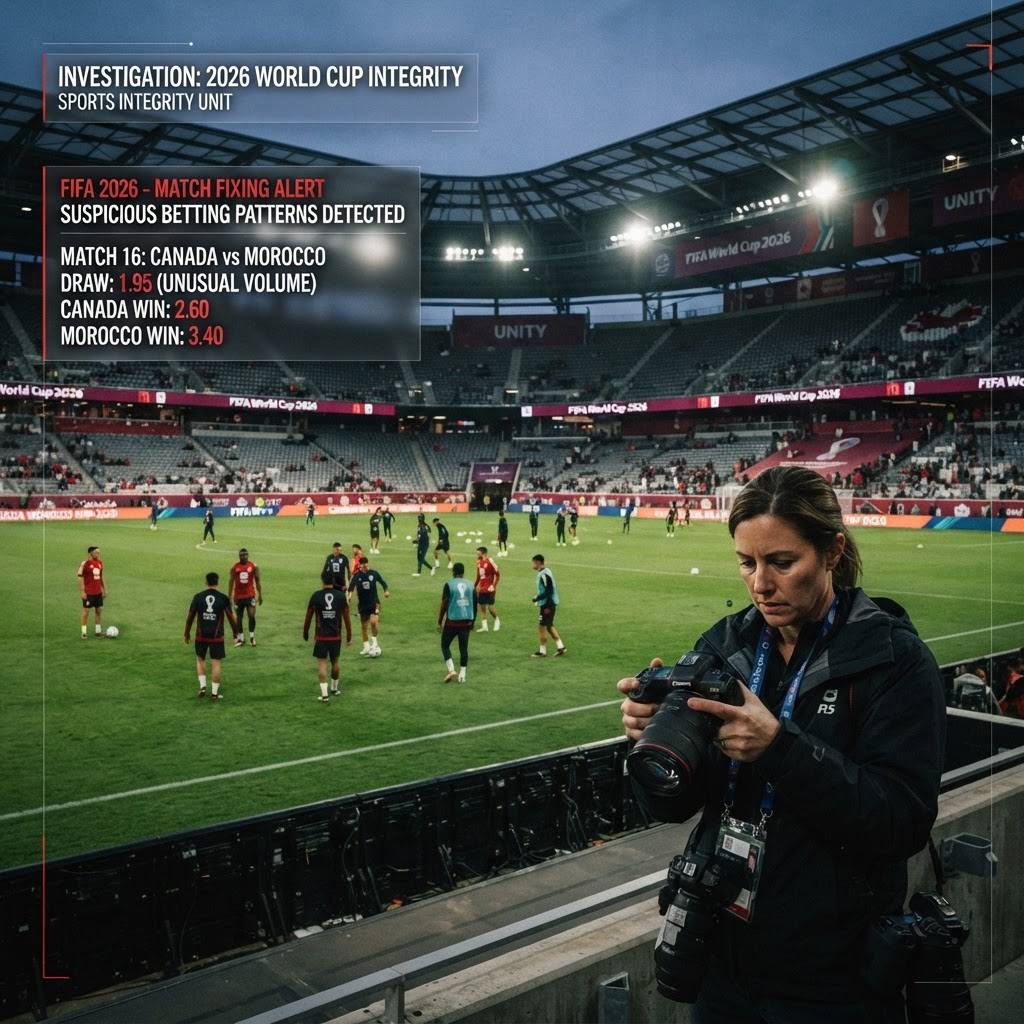
FIFA and a global sports betting advisory body have clashed over potential betting irregularities flagged during the 2026 FIFA World Cup, raising questions about the integrity of the world's biggest sporting event and the effectiveness of monitoring systems designed to detect match manipulation.
Irregularities Flagged During Tournament
The dispute emerged as a global advisory body responsible for monitoring sports betting patterns identified what it characterized as potential irregularities during World Cup matches. The flagged patterns prompted an internal review, but FIFA has pushed back against suggestions that the irregularities indicate any actual match manipulation took place.
"Irregularities flagged do not necessarily mean manipulation of events took place," a gambling industry expert told The Athletic, speaking on condition of anonymity. "Betting patterns can be influenced by many factors — team news, weather conditions, sudden market movements — and not all unusual patterns are evidence of wrongdoing."
The Integrity Monitoring System
Modern World Cup tournaments employ sophisticated betting monitoring systems designed to detect suspicious wagering patterns in real time. These systems analyze betting volumes, odds movements, and market behavior across hundreds of licensed and unlicensed betting markets worldwide.
The monitoring is part of a broader integrity framework that FIFA has developed in partnership with specialized firms and international law enforcement agencies. The goal is to identify potential match-fixing attempts before they can influence results, protecting both the integrity of the competition and the interests of bettors.
FIFA's Response
FIFA has reportedly downplayed the significance of the flagged irregularities, arguing that the monitoring systems are designed to be highly sensitive and that false positives are an expected part of the process. The organization has emphasized that no matches have been formally investigated for manipulation and that the tournament's integrity remains intact.
However, the global advisory body has taken a more cautious stance, arguing that all flagged patterns should be thoroughly investigated regardless of how likely they are to represent actual manipulation. The disagreement between the two bodies highlights the tension between protecting the commercial interests of the tournament and maintaining the highest standards of integrity.
The Scale of World Cup Betting
The 2026 World Cup, hosted across the United States, Canada, and Mexico, is expected to generate record betting volumes. The global sports betting market has grown dramatically since the last World Cup, with legalization expanding across the United States and new markets opening in Latin America and Asia.
This explosion in betting activity means that the World Cup is now one of the most heavily wagered events in human history. The sheer volume of bets — running into tens of billions of dollars globally — creates both opportunities and risks for integrity, as even small irregularities can have enormous financial implications.
Historical Context
Match-fixing scandals have plagued football at various levels for decades, from domestic league controversies to international competition investigations. FIFA itself has been at the center of integrity concerns, and the organization has invested heavily in monitoring systems to restore confidence in its competitions.
The 2026 World Cup's expanded format — featuring 48 teams for the first time — adds another layer of complexity to integrity monitoring. More matches mean more betting markets to monitor and more opportunities for potential manipulation, even if the actual risk remains low.
Wrexham Rides the Wave
Away from the betting controversy, the World Cup's impact on football culture continues to ripple through the sport. Wrexham AFC, the Welsh club owned by Ryan Reynolds and Rob McElhenney, is looking to capitalize on the World Cup fever that has swept across North America.
The club is building on the transatlantic interest generated by the tournament and its own popular documentary series, aiming to expand its fanbase and commercial opportunities in the US market. The World Cup's success in engaging American audiences has created a favorable environment for football-related business ventures.
What's Next
The outcome of the FIFA-advisory body dispute will likely influence how betting integrity is monitored in future major tournaments. If the irregularities prove to be false alarms, it may lead to refinements in the monitoring systems to reduce false positives. If they reveal actual manipulation, it could trigger one of the biggest scandals in World Cup history.
For now, both FIFA and the advisory body are maintaining a careful public posture, with investigations continuing behind closed doors. Football fans around the world will be hoping that the beautiful game's biggest stage remains free from the taint of corruption.
Reactions
Share:
FIFAWorld Cup 2026betting irregularitiesmatch fixingsports integritybetting monitoringmatch manipulationfootballsoccersports bettingglobal advisory bodyWrexhamRyan ReynoldsRob McElhenneytournament integritybetting marketsmatch-fixing48 teamsUnited StatesCanadaMexicosports governancegamblinginvestigation